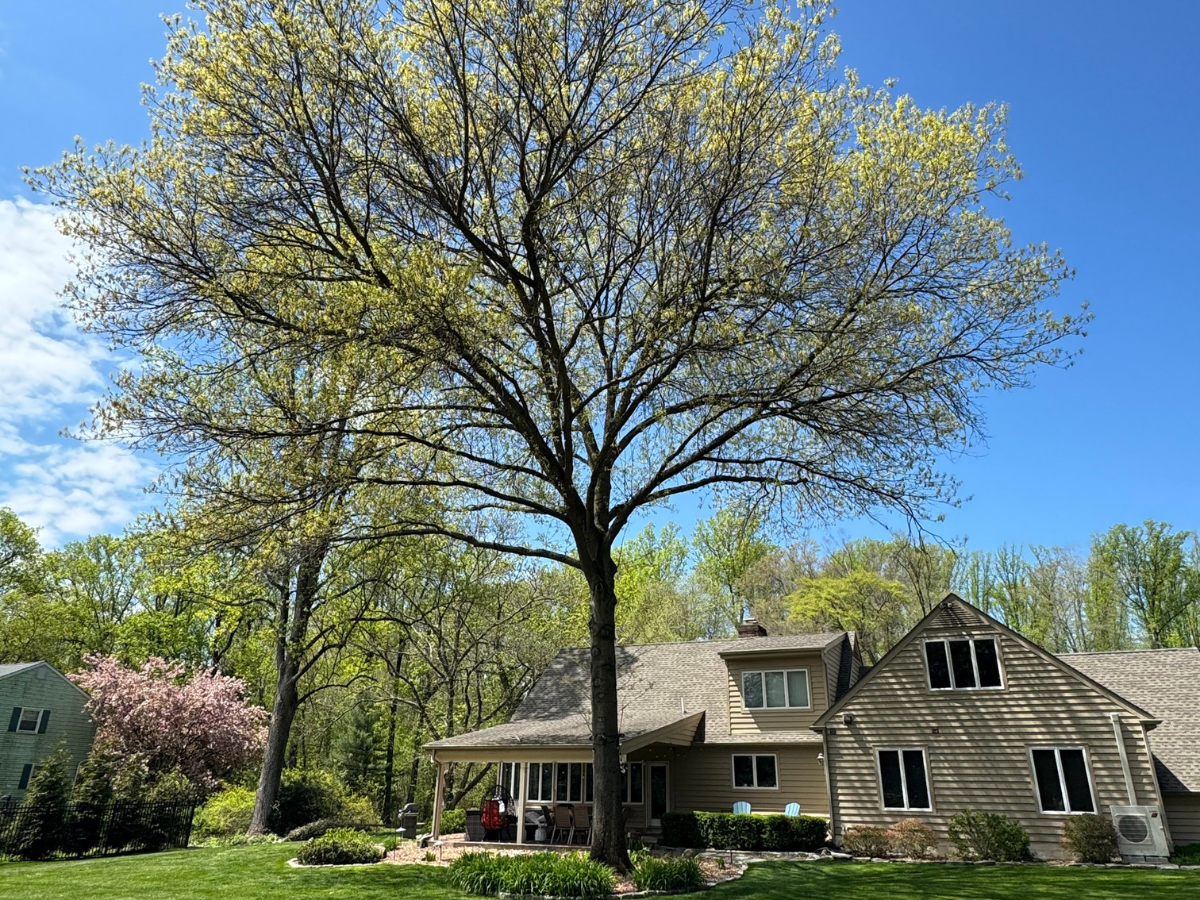
Trees provide shade, beauty, and value to your property, but sometimes a tree becomes a liability instead of an asset. Knowing the signs of a tree that needs to be removed can protect your home, your family, and even your neighbors. Many homeowners wonder, “How do I know if my tree is dangerous?” or “Is it time to cut down my tree?”
In this guide, we’ll explain the key warning signs that your tree may need to be removed, when professional help is necessary, and why early action is critical.
1. Visible Signs of Decay or Disease
One of the most common reasons a tree needs removal is disease or rot. Watch for:
-
Mushrooms or fungi at the base – indicates root rot.
-
Hollow or soft trunk wood – a dangerous sign of internal decay.
-
Large areas of missing bark – especially if the tree has deep cracks or cankers.
-
Discolored, spotted, or dying leaves – can indicate disease spreading through the tree.
A diseased tree may look healthy on the outside while being weak inside. If left untreated, it can collapse without warning.
2. Leaning or Unstable Growth
A sudden or extreme lean in a tree often signals a serious problem. If your tree begins to tilt to one side, especially after a storm, it may have root damage or soil instability.
 Rule of thumb: If your tree leans more than 15 degrees from vertical, it’s often unsafe and should be inspected by a professional.
3. Dead or Falling Branches
If you notice large dead branches regularly dropping, your tree could be in decline. Dead limbs not only signal poor health but also create serious hazards for people, vehicles, and nearby buildings.
-
Dead branches high in the crown can break suddenly.
-
If more than 25–30% of a tree’s canopy is dead, removal is often the safest option.
4. Root Problems
The health of a tree starts underground. Warning signs of failing roots include:
-
Soil lifting on one side of the tree.
-
Visible root damage from construction or landscaping.
-
Fungal growth at the base of the trunk.
-
A tree that shifts or rocks after strong winds.
Since roots anchor the entire tree, severe root issues often mean removal is the only safe solution.
5. Structural Damage from Storms
Philadelphia and the surrounding region often see strong storms with high winds and heavy rain. Trees in urban and suburban environments can easily suffer storm damage:
-
Split trunks or cracked branches.
-
Major limbs broken or hanging dangerously.
-
Entire trees uprooted or leaning into structures.
Even if the tree doesn’t fall right away, storm damage weakens structural integrity, increasing the risk of future failure.
6. Proximity to Homes, Power Lines, or Infrastructure
Sometimes a tree doesn’t have to be sick to be dangerous. Location matters.
-
Trees growing too close to your home can damage foundations or roofs.
-
Branches entangled in power lines pose serious fire and electrical hazards.
-
Roots can break up sidewalks, driveways, and sewer lines.
If trimming won’t solve the issue, full removal may be necessary.
7. A Tree That Has Stopped Thriving
If your tree has:
-
Sparse or thinning leaves
-
Stunted growth compared to previous years
-
Sections that are completely bare
If your tree shows these symptoms, it may be reaching the end of its natural lifespan. In these cases, removal can prevent accidents and allow for replacement with a healthier tree.
Why You Shouldn’t Delay Tree Removal
Delaying the removal of a hazardous tree can lead to:
-
Property damage – falling branches or entire trees damaging roofs, fences, or vehicles.
-
Injury risks – to your family, neighbors, or pedestrians.
-
Higher costs – emergency removals after storms are more expensive than planned removals.
Acting early saves money and keeps your property safe.
Should You Remove a Tree Yourself?
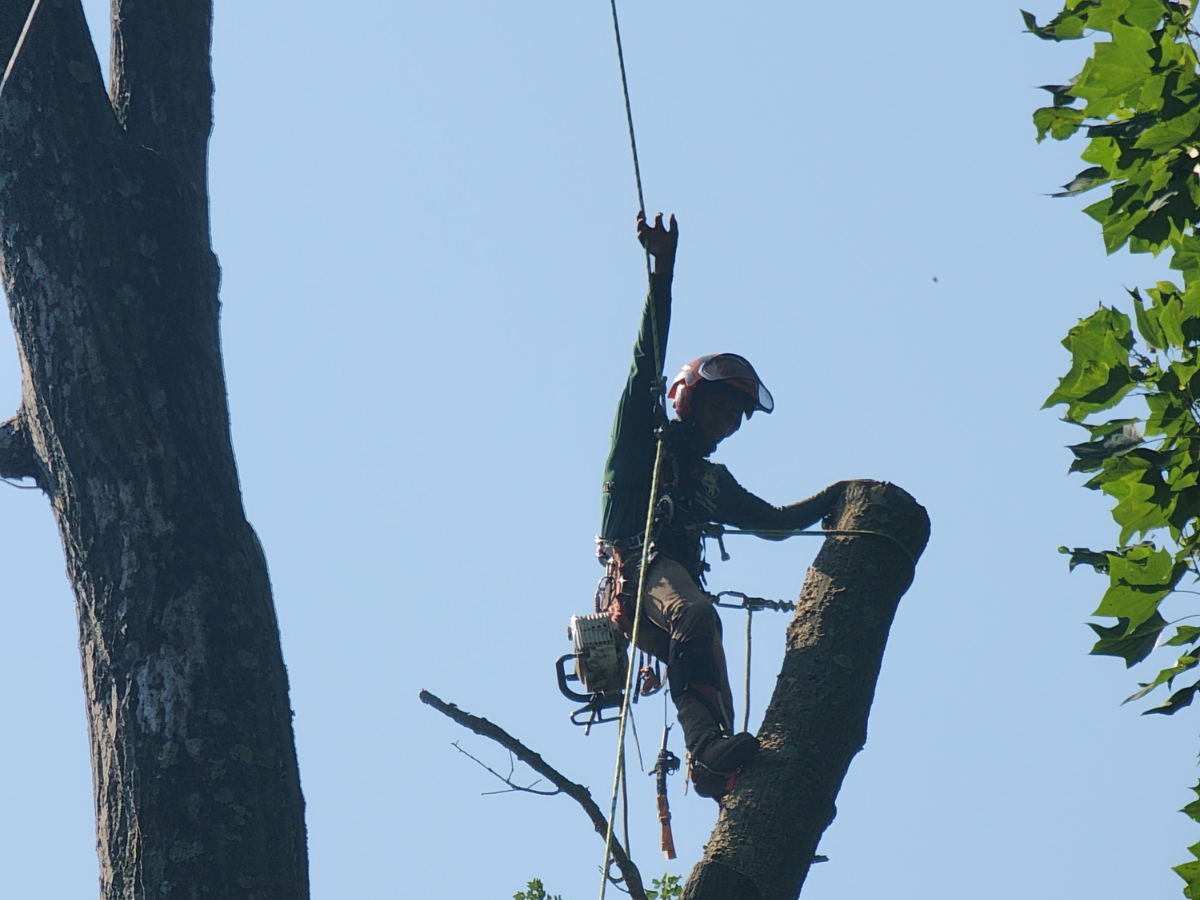
Tree removal is not a DIY project. Removing a tree requires:
-
Specialized equipment (ropes, lifts, cranes).
-
Safety gear and insurance.
-
Knowledge of city regulations and permits.
Professional tree service companies, like Rapid Tree Care, are trained to safely remove trees without damaging nearby property or putting people at risk.
What To Do Next?
Knowing when to remove a tree can be difficult, but the warning signs are clear: visible decay, leaning, falling branches, storm damage, or unsafe location. If you suspect your tree may be dangerous, don’t wait until it’s too late.
 Call a certified tree service professional for an inspection. They can determine whether your tree can be saved with trimming and care, or if removal is the safest option.
At Rapid Tree Care, we specialize in safe, efficient tree removal and trimming throughout Philadelphia, Bucks, Montgomery, Chester, and Delaware Counties. Contact us today for a free estimate.
How to Tell If a Tree Is Diseased or Dying: Key Signs Every Homeowner Should Know