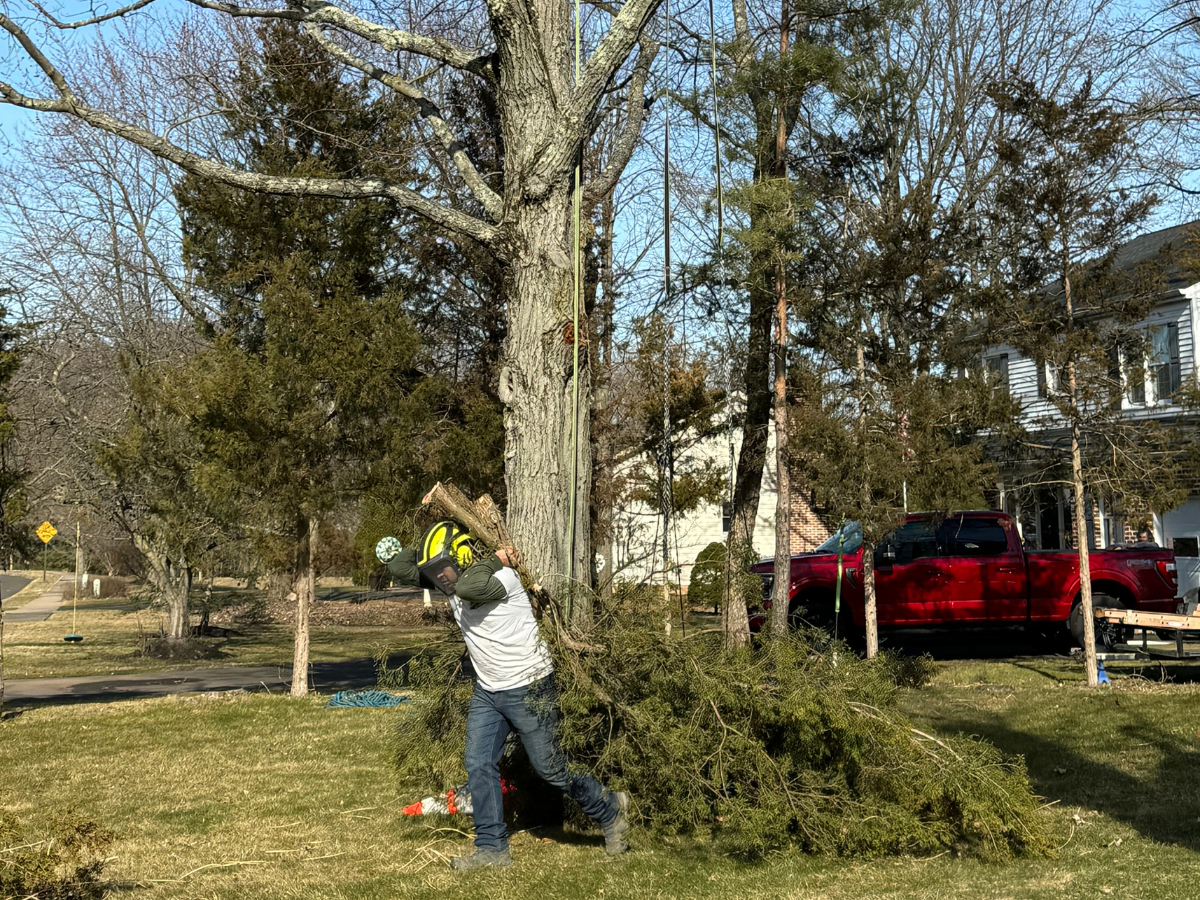
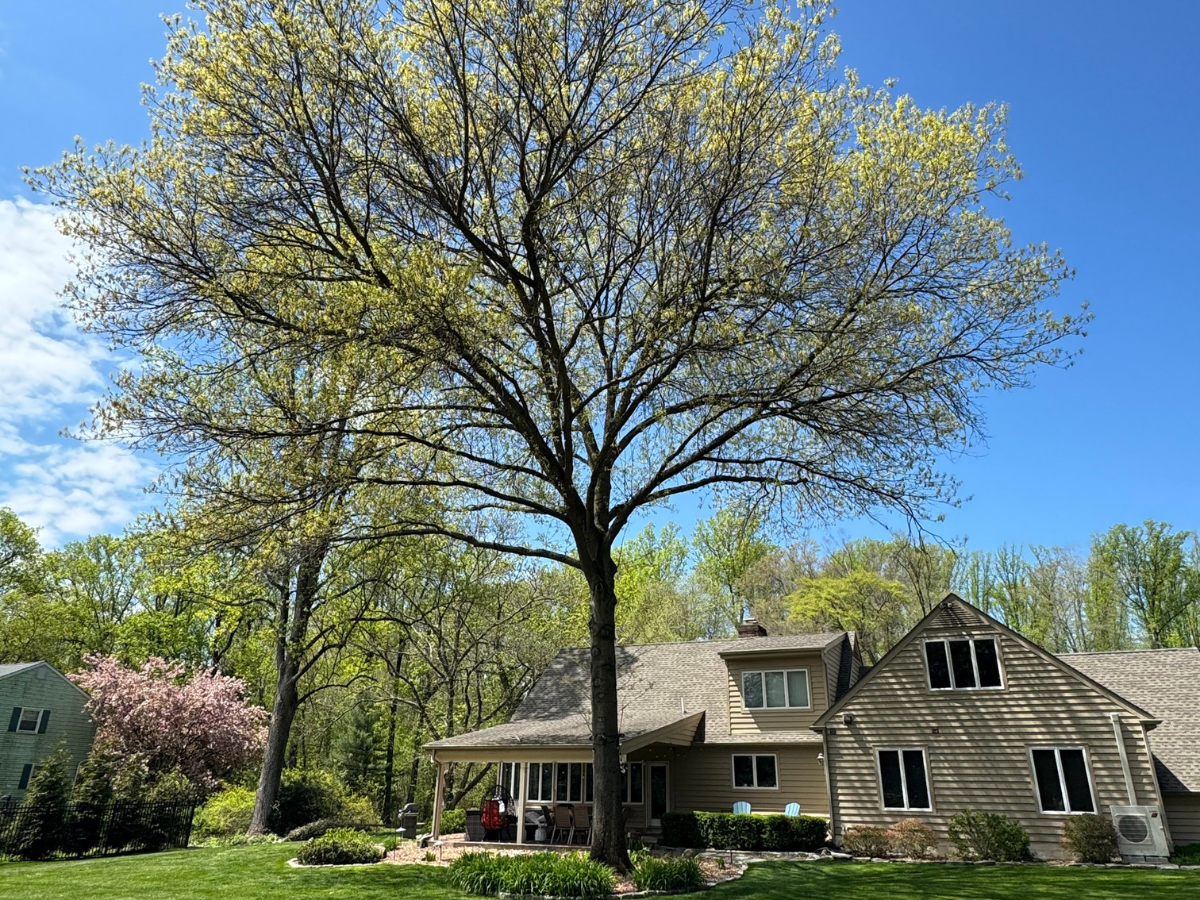
Healthy trees add beauty, shade, and value to your property—but when a tree becomes diseased or starts dying, it can pose serious risks to your home and safety. Recognizing the signs early is the best way to prevent hazards and save your tree, if possible. Here’s a guide on how to tell if a tree is diseased or dying so you can take the right steps.
1. Look for Dead or Discolored Leaves
One of the first indicators of tree trouble is a change in leaf color, size, or coverage—especially outside of the normal seasonal changes. Warning signs include:
Leaves turning brown or yellow prematurely
Spots, holes, or blotches on leaves
Sparse foliage compared to previous years
Diseases like anthracnose or leaf blight often cause these symptoms, and catching them early can make treatment easier.
2. Check for Bark Damage and Cracks
A healthy tree has firm, intact bark. If you notice:
Deep cracks in the trunk
Missing bark patches
Soft, peeling, or crumbling bark
…your tree may be suffering from disease, decay, or pest damage. In some cases, bark falling away exposes the tree’s inner wood, which is a clear danger sign.
3. Watch for Fungal Growth
Mushrooms or fungal conks growing on the trunk or at the base are red flags. They often indicate internal rot or decay that could compromise the tree’s stability. Even if the canopy still looks green, significant internal damage may already be present.
4. Inspect the Branches
Dead or brittle branches—especially in the upper canopy—can be a sign of disease or decline. Look for:
Branches without leaves during the growing season
Small twigs snapping easily
An abundance of fallen limbs after mild winds
If a large branch dies suddenly, it’s important to have the tree inspected by a professional arborist.
5. Look for Signs of Pest Infestation
Insects such as emerald ash borers, bark beetles, and scale insects can weaken and kill trees. Symptoms include:
Tiny exit holes in the bark
Sawdust-like material (frass) around the trunk
Unusual woodpecker activity (they feed on insects beneath the bark)
Pests often target already stressed or weakened trees, so their presence is both a cause and a sign of decline.
6. Check the Root Zone
Because roots are hidden underground, root issues are often hard to detect until they’re advanced. Warning signs include:
Soil heaving or movement around the base
Large, exposed roots that look decayed
Leaning trees that appear unstable
Root rot, compacted soil, or construction damage can all contribute to a tree’s decline.
Why Early Detection Matters
A diseased or dying tree isn’t just an eyesore—it can become a dangerous liability. Falling limbs or a complete collapse can cause injury and costly property damage. Early intervention by a certified arborist can:
Identify the cause of the problem
Recommend pruning, treatment, or pest control
Determine whether removal is the safest option
Protect Your Trees with a Professional Inspection
If you notice any of the signs above, don’t wait for the problem to get worse. A timely inspection can save your tree or prevent a hazardous situation. At Rapid Tree Care, we provide expert tree health assessments, treatment options, and safe removal when necessary.
Call today for a professional evaluation and keep your trees healthy, safe, and beautiful year-round.