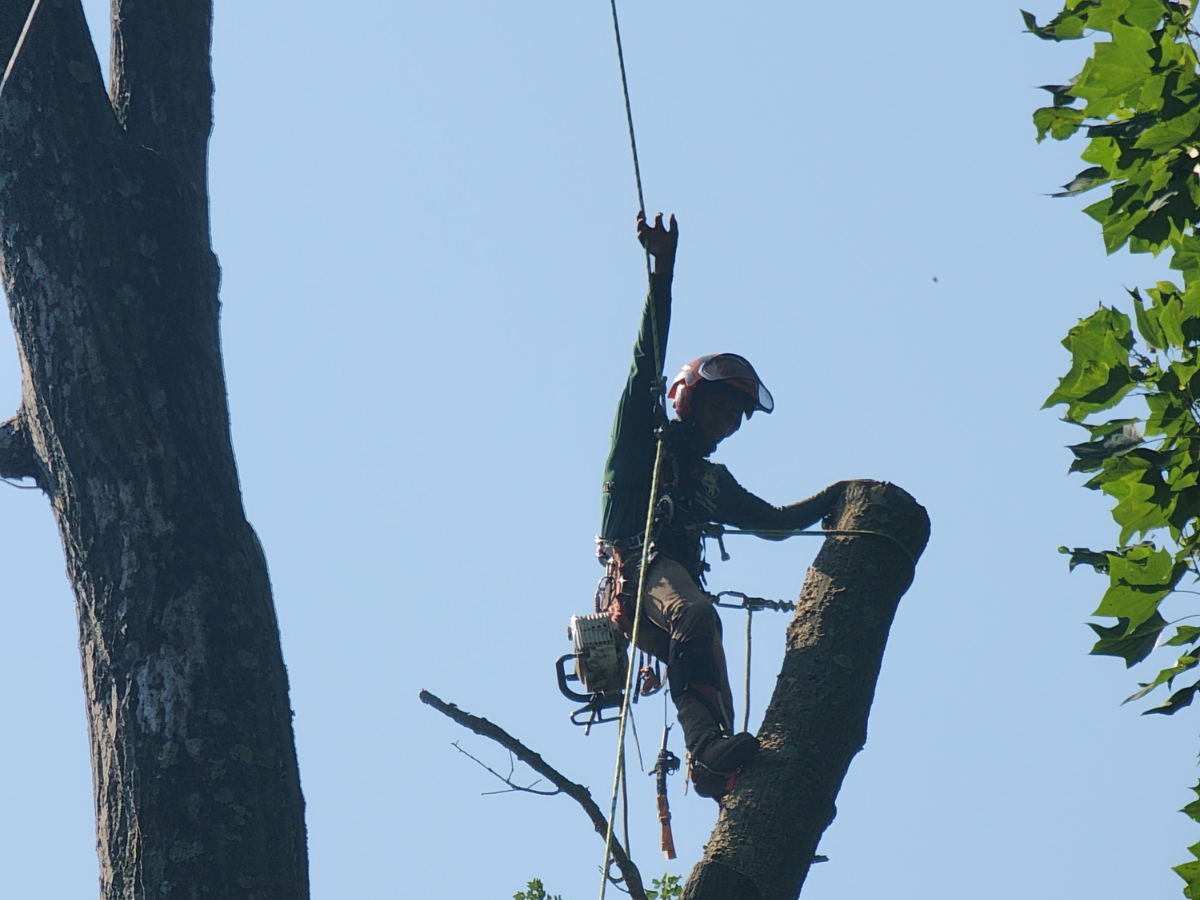
How to Revive a Tree and Restore Its Health: A Homeowner’s Guide

A healthy tree can boost curb appeal, provide shade, and even increase property value. But sometimes, your once-thriving tree may start to show signs of stress—wilting leaves, bare branches, or slowed growth. The good news? Many struggling trees can be revived with the right care and attention. In this guide, we’ll walk homeowners through proven steps to restore a tree’s health, prevent further damage, and help it thrive for years to come.


1. Assess the Tree’s Condition

Before taking action, identify what’s wrong. Look for:

  • Leaf discoloration or early drop (could indicate nutrient deficiency or disease)

  • Cracks or peeling bark (possible pest or fungal issue)

  • Sparse canopy (sign of root damage or poor soil health)

  • Mushrooms near the base (potential root rot)

If you’re unsure, consider hiring a certified arborist for a professional diagnosis.

2. Water the Right Way

Improper watering is one of the top causes of tree stress.

  • Deep watering: Water slowly and deeply at the root zone, not just at the trunk.

  • Frequency: Mature trees may need watering every 2–4 weeks in dry seasons; young trees more often.

  • Mulch moisture retention: Apply a 2–4 inch layer of mulch, leaving space around the trunk to prevent rot.

3. Feed the Soil, Feed the Tree

Healthy soil = a healthy tree.

  • Test your soil for nutrient levels and pH balance.

  • Use a slow-release fertilizer formulated for trees.

  • Add organic compost to boost microbial life and root health.

4. Prune Dead or Diseased Branches

Pruning helps a tree focus its energy on new growth.

  • Remove dead, broken, or pest-infested branches.

  • Prune in late winter or early spring for most species.

  • Avoid over-pruning—never remove more than 25% of the canopy at once.

5. Protect Against Pests and Disease

  • Inspect bark and leaves for signs of insects or fungal infections.

  • Use eco-friendly treatments or consult an arborist for targeted solutions.

  • Keep the area around the tree clean to reduce pest habitats.

6. Relieve Soil Compaction

Compacted soil limits water and oxygen to roots.

  • Use an aeration tool or hire a professional to loosen soil.

  • Avoid heavy foot traffic and construction near the root zone.

7. Consider Tree Bracing or Cabling

If your tree has structural weaknesses, bracing can prevent further damage and extend its life. This should be done by a professional to ensure proper installation.


Final Thoughts

Reviving a stressed tree takes time, patience, and consistent care. By diagnosing issues early, improving soil and watering habits, and protecting against pests, you can help your tree regain its vitality. Healthy trees not only beautify your property but also benefit the environment—making your efforts well worth it.

tree removal near me
Tree Health

How to Tell If a Tree Is Diseased or Dying: Key Signs Every Homeowner Should Know

Healthy trees add beauty, shade, and value to your property—but when a tree becomes diseased or starts dying, it can pose serious risks to your ...
Read More →
do I need to cut down my tree
Tree Removal

How To Tell If Your Tree Needs To Be Removed or Cut Down

Trees provide shade, beauty, and value to your property, but sometimes a tree becomes a liability instead of an asset. Knowing the signs of a ...
Read More →
Call Now